
Woven Wire Mesh Guide: Plain Weave vs Dutch Weave vs Twilled Dutch Weave
Woven Wire Mesh Manufacturer, Supplier and Exporter:
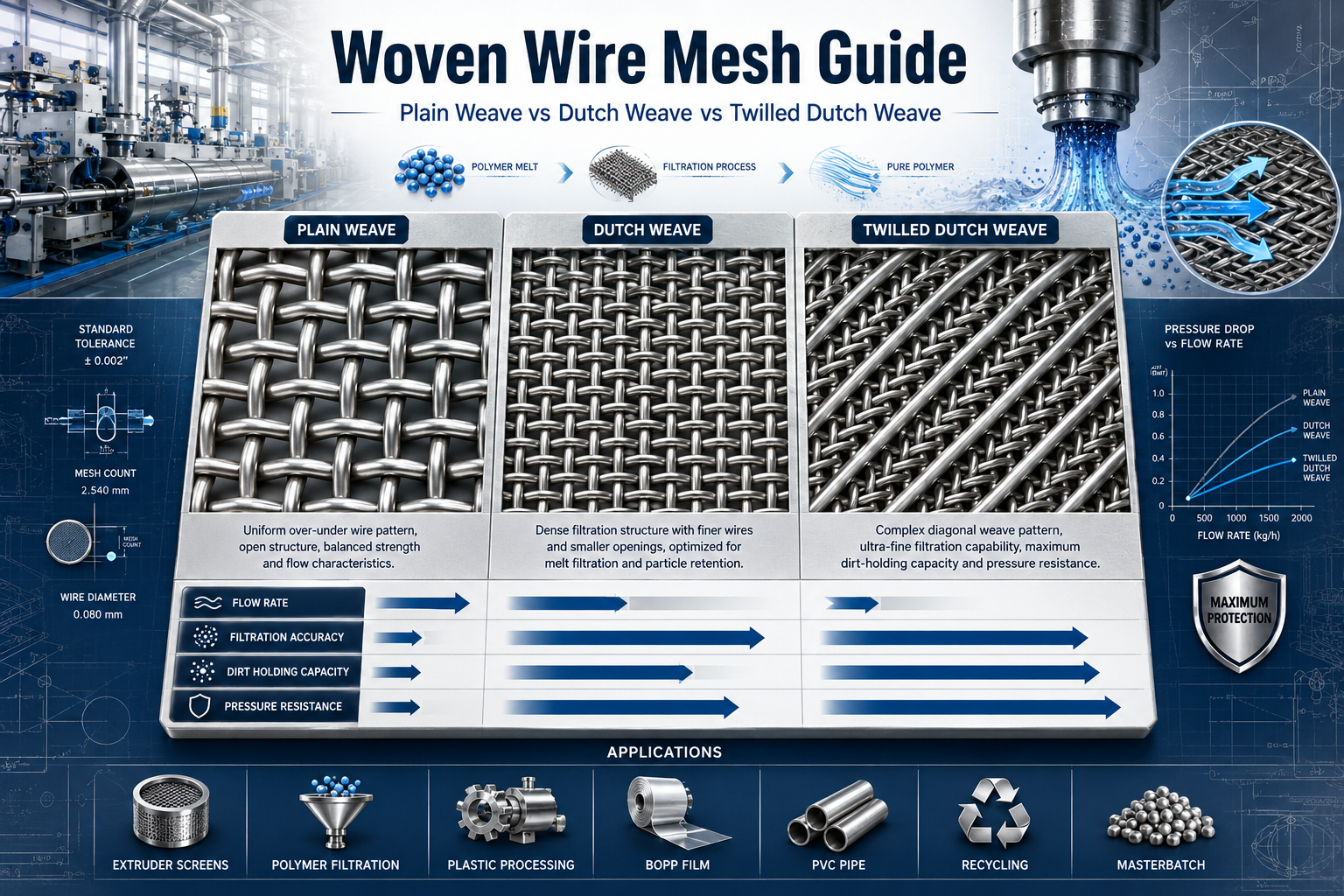
In this article, you’ll gain a deeper understanding of the differences between Plain Weave, Dutch Weave, and Twilled Dutch Weave stainless steel wire mesh. This guide will assist plastic manufacturers, plant engineers, and procurement managers in selecting the most suitable weave type for their ss extruder screen packs, melt filtration, and polymer processing needs.
In plastic extrusion and polymer processing, most buyers focus on mesh count when sourcing extruder screens and overlook the weave type entirely. That single oversight leads to faster screen clogging, inconsistent melt filtration, and product defects. When you are sourcing wire mesh for plastic extrusion the weave structure determines the real-world filtration performance. This guide breaks down the three most widely used weave types including Plain Weave, Dutch Weave, and Twill Weave and shows you which one is right for your operation.
What is Woven Wire Mesh?
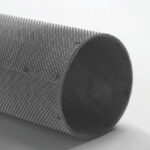
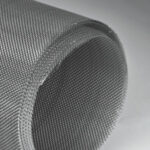
Woven wire mesh also known as woven wire cloth is a precision filtration medium made by interlacing stainless steel wires in a repeating pattern on industrial looms. The warp (lengthwise) and weft (crosswise) wires create a structured mesh with controlled openings called apertures. In plastic and polymer processing, woven wire mesh forms the foundation of every screen pack for plastic extrusion lines worldwide. Mesh count, wire diameter, micron rating, and weave type are key variables in plastic extrusion process.
 Call Now
Why the Weave Type Matters in Filtration and Extrusion Process?
The weave structure of your ss wire mesh directly determines filtration precision, flow rate, back pressure, and screen service life. In plastic extrusion molten polymer passes through the extrusion filtration screens under pressures of 500 to 5,000 psi and temperatures up to 320°C. Choosing the wrong weave type causes mesh deformation, melt bypass, or premature clogging directly increasing extruder screen replacement cost and production downtime.
Types of Woven Wire Mesh Weaves
Plain Weave Wire Mesh
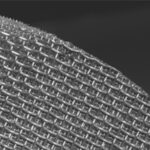
Plain weave wire mesh is the simplest and most widely used structure. Each warp wire alternates over and under each weft wire in a one over one under pattern, creating a symmetrical mesh with square and uniform openings. Available from 10 mesh to 500 mesh, plain weave SS 304L extruder screens are the standard choice for single layer extruder screens with clean, virgin polymer.
Best applications:
- Single layer extruder screens for PP, PE, PET virgin polymer extrusion
- Outer support layers in multi-layer mesh packs of coarse 20–40 mesh
- General polymer extrusion filter for moderate contamination
- Screen packs for plastic recycling, coarse pre-filtration outer layers
Dutch Weave Wire Mesh
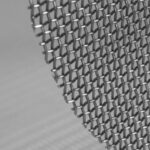
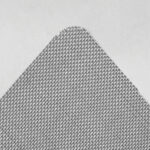
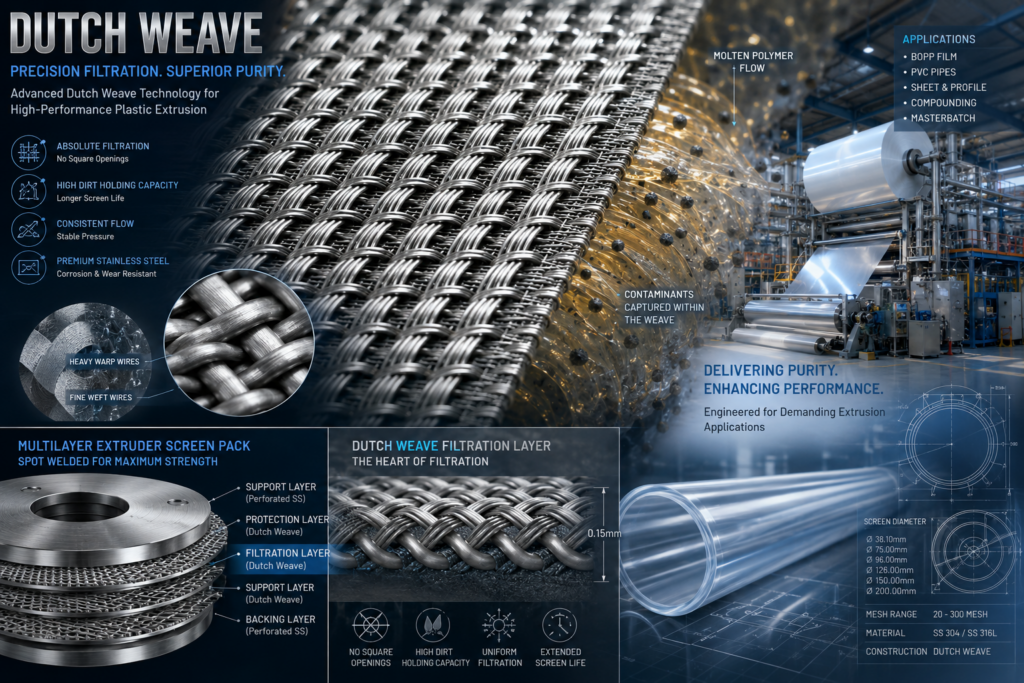
Dutch weave wire mesh, widely available as Plain Dutch weave or Twilled Dutch weave uses a heavier warp wire with finer weft wires packed as closely together as possible. This creates a dense structure with no conventional square openings. Filtration is defined by micron rating rather than mesh count, delivering precision below 100 microns. Dutch weave stainless steel woven wire mesh offers superior mechanical strength, making it the preferred inner filtration layer in spot welded extruder screens for demanding applications.
Best applications:
- Inner filtration layer in spot welded extruder screens for BOPP filter screens and multilayer packaging film
- PVC pipe extrusion screens requiring fine, heat-stable filtration
- Screens for blown film extrusion and precision plastic film lines
- High filtration extruder screens for pharmaceutical-grade and food-grade polymers
- Masterbatch extruder screen and wire and cable extrusion with zero contamination tolerance
Twilled Dutch Weave Wire Mesh
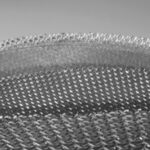
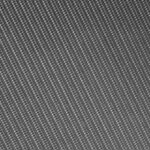
Twilled Dutch weave wire mesh uses an over-two-under-two offset pattern, creating a diagonal crimp across the mesh surface. This allows finer wire diameters at higher mesh counts than plain weave, achieving finer apertures with better structural integrity. Twill weave delivers a balance between precision filtration and higher flow rate, ideal for specialty film extrusion and specialty engineering polymer applications.
Plain Weave vs Dutch Weave vs Twilled Dutch Weave: Comparison Table
| Parameter | Plain Weave | Plain Dutch Weave | Twilled Dutch Weave |
|---|---|---|---|
| Opening Type | Square uniform openings | Wedge-shaped | Almost zero visible opening |
| Filtration Level | Coarse to medium | Fine filtration | Ultra-fine filtration |
| Flow Rate | High flow rate | High flow, low pressure drop | Lower flow rate |
| Wire Thickness | Warp/weft wires are equal | Thicker warp, finer weft | Thicker warp, finer weft |
| Weaving Method | Over 1, under 1 (symmetrical) | Over 1, under 1 | Over 2, under 2 (staggered) |
| Best Use in Extruder Screen | Support layer / virgin polymer | BOPP / pharma / fine filtration | Specialty film / precision filtration |
 Email Us Today!
How to Choose the Right Weave
Selecting the right woven wire mesh weave for your melt filtration screen depends on your raw material, required filtration level, operating conditions, and screen pack configuration. Not all wire mesh weaves are built for the same job and choosing the wrong one can mean compromised filtration, premature wear or costly process downtime.
Selecting between a Plain Dutch and Twilled weave ultimately comes down to your application’s specific demands. Every process, whether it involves filtration, separation, or reinforcement, relies on the right balance of flow rate, particle retention, strength and durability. For operations that demand efficient flow alongside finer filtration, Plain Dutch weave may be an ideal fit. It performs well under moderate pressure conditions where consistency and flow efficiency are the priority.
If your process involves higher pressure, heavy wear or finer filtration requirements, a Twilled weave is often the better choice. Its reinforced structure can handle more stress while still filtering even the smallest particle with precision.
Understanding your environment, pressure levels, materials being filtered, and required filtration ratings will help you make the most informed decision. And having a supplier who understands these variables can make that choice even easier and more reliable.
Common Selection Mistakes to Avoid
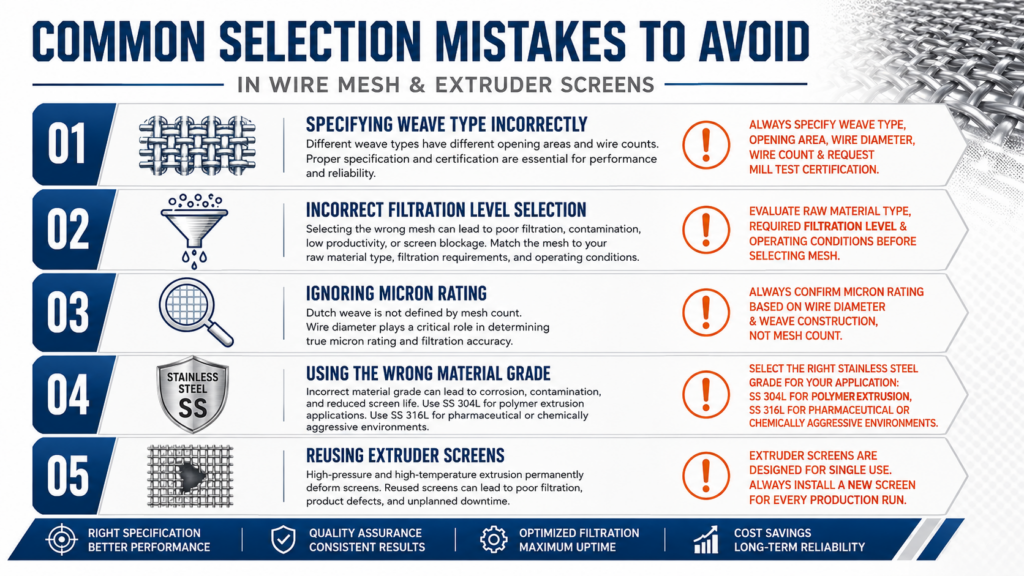
- Specify Weave Type: Different weaves have different opening areas and number of wire so always specify weave type and request mesh certification from your wire mesh suppliers.
- Filtration Level: Selecting the right woven wire mesh weave for your process depends entirely on your raw material type, the desired filtration level and the operating conditions. Always specify these requirements before buying screens.
- Ignoring micron rating: Always confirm the actual micron rating as Dutch weave is not defined by standard mesh count. Every mesh has different wire diameter which affects the micron rating in the filtration process.
- Wrong material grade: Stainless steel 304L extruder screen is the standard for polymer extruder filter screens. SS 316L for pharmaceutical or chemically aggressive applications.
- Reusing extruder screens: High-pressure extrusion permanently deforms wire mesh. All extruder screens are preferably single-use.
Our Other Product
Circular Extruder ScreenWire Mesh Weave Customization Guide for Industrial Applications
As a leading extruder screen manufacturer and supplier with over 50 years of experience, Ambica Group offers custom filtration solutions in all three weave types, manufactured using imported German wire weaving machines:
- Mesh Count & Micron Rating: 10 to 500 mesh up to 2-micron filtration, in Plain Weave, Plain Dutch weave and Twilled Dutch Weave
- Wire Diameter: Heavy Wire Diameter for high pressure industrial extrusion process and finer light wire diameter for clean virgin polymer lines with low pressure
- Number of Layers: Single-layer circular screen discs to 2–7 layer spot welded extruder screens with pack combinations can be customised as per customer machine configurations and extrusion requirements
- Shape & Dimensions: Custom shapes and sizes are available for any breaker plate geometry like candle filter, designer screens or filter disc
- Material Grade: ISO 9044 compliant Wire Mesh Standard with SS 304L(Low Carbon – high 8% Nickel) for superior filtration process
Ambica Group — Extruder Screen Manufacturer & SS 304L Wire Mesh Supplier from Ahmedabad, India supplying Plain Weave, Dutch Weave and Twilled Dutch Weave from 10 to 500 mesh up to 2 micron filtration. Custom sizes, free samples, bulk pricing. 6,000+ clients. Exported to 65+ countries. Check the global presence of our Extruder Screens & Screen Packs.
Woven Wire Mesh: Frequently Asked Questions (FAQs)
Plain weave creates uniform square openings which is best for support layers and general filtration in
polymer extrusion process. Dutch weave packs weft wires tightly together, delivering precision micron-
level filtration below 100 microns, is the correct inner filtration layer for BOPP filter screens,
pharmaceutical-grade polymers, and fine polymer melt filtration.
Multilayer spot-welded packs combining plain weave outer support layers with a Dutch weave in inner
filtration layer are the industry standard for extruder screens for plastic recycling. Common
configurations like 20/40/80/40/20 delivers high contamination controlling capacity and consistent back
pressure control critical for recycled material with variable contamination levels.
In Dutch weave stainless steel woven wire mesh, filtration performance is defined by the micron rating, the actual size of the largest particle that can pass through rather than a standard mesh count. For extruder screen applications requiring below 100 microns, always specify micron rating and request a mesh quality certificate from your stainless-steel wire mesh manufacturer.
SS 304L (Low Carbon – High 8% Nickel) offers corrosion resistance, high-temperature stability up to 870°C, tensile strength for 500 to 5,000 psi back pressure, and chemical non-reactivity with PP, PE, PET, PVC, and HIPS. It also meets food-grade compliance making it the universal material for high-performance extruder screens across plastic processing.
No. High-pressure extrusion permanently deforms wire mesh geometry. Cleaning removes visible contamination but cannot restore aperture accuracy. For high-frequency changeover lines, bulk purchasing single layer extruder screens is always more economical than reuse. Contact your extruder screen supplier for bulk pricing and extruder screen replacement cost guidance.
Common multilayer extruder screen pack combinations include 20/40/80/40/20 for recycling and masterbatch, 20/60/100/60/20 for film and demanding applications, and 20/40/100/150/100/40/20 for optical film or pharmaceutical-grade extrusion. Ambica Group manufactures custom extruder screen packs in any layer configuration, weave type, diameter, and mesh specification with full mesh certification and free samples before bulk orders.
Always specify: (1) Weave type from plain, Dutch, or twill; (2) Mesh count and Micron rating; (3) Wire diameter; (4) Material grade SS 304L or SS 316L; (5) Screen diameter and thickness (6) Number of layers for multi-layer mesh packs; (7) Any certifications required. Ambica Group’s technical team provides full specification support and free samples to validate performance before bulk ordering.
Latest Post
-
Woven Wire Mesh Guide: Plain Weave vs Dutch Weave vs Twilled Dutch Weave
-
Extruder Screen Mesh Size Explained: Micron Rating & Selection Guide
-
Extruder Screens for Plastic Recycling Industry & Sustainable Solutions
-
How to Choose the Right Extruder Screen for Your Plastic Extrusion Machine?
-
What Are Extruder Screens? A Complete Guide for Plastic Manufacturers
Catalogue