

Extruder Screens for Plastic Recycling Industry & Sustainable Solutions
Extruder Screen Manufacturers in Ahmedabad, Gujarat, India
This blog is to understand how extruder screens for plastic recycling industry work, why filtration quality directly determines recycled material quality, and how the right extruder screen pack drives better machine performance, lower operating costs, and measurable sustainability outcomes.
Every tonne of plastic that gets recycled instead of landfilled is a meaningful win for the planet. But that win depends on what happens inside the extruder. At the heart of that process sits a component that rarely gets the attention it deserves the extruder screen. This guide explores why extruder screens for plastic recycling are critical, what challenges they solve, and how the right extruder screen packs builds a genuine circular economy for plastics.
Plastic Recycling & Extrusion Process Overview
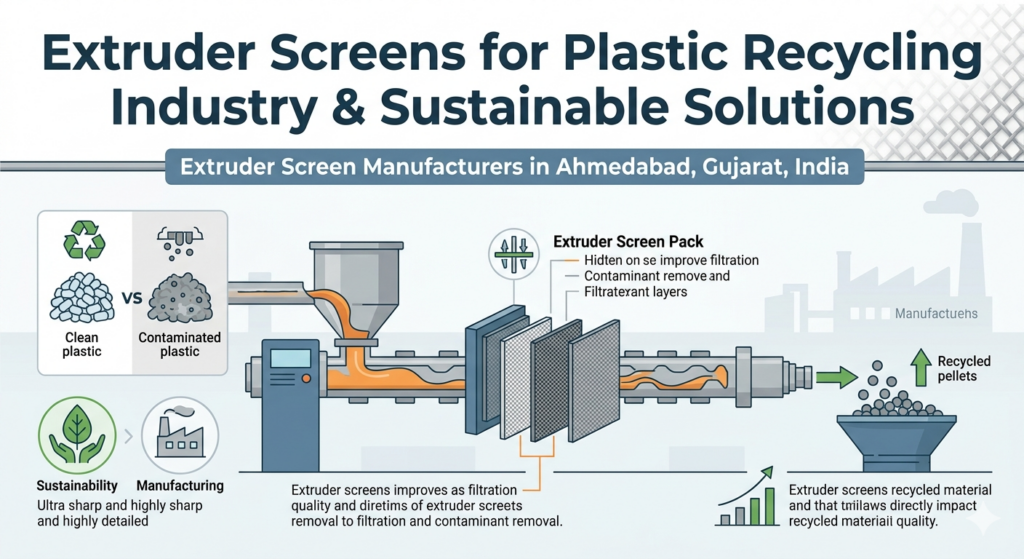
Plastic recycling involves collection, sorting, shredding, washing, and finally re-extrusion, where shredded plastic flakes are melted down and reformed into pellets or products. In the extrusion process, post-consumer plastic enters the extruder hopper, melts inside the heated barrel, and is forced through a breaker plate fitted with extruder filter screens before reaching the die. In virgin plastic processing, the input is relatively clean. In recycling, it is anything but making extruder screens for plastic recycling indispensable.
 Call Now
Why Melt Filtration Screens are Critical in Recycling Applications?
Recycled plastic arrives at the recycling extruder carrying a wide range of contaminants. Without proper melt filtration screens, those contaminants pass directly into the finished product, degrading quality and damaging machinery. Effective filtration through an extruder screen pack simultaneously protects downstream tooling, improves melt consistency, and removes contamination that would render recycled material unmarketable. The extruder screen is the most critical quality checkpoint in any recycling extrusion technology line.
Role of Extruder Screens in Removing Contaminants
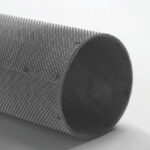
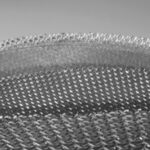
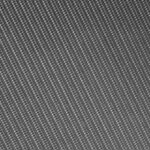
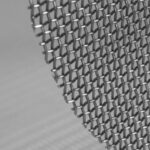
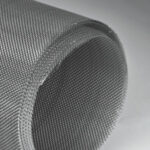
The extruder screen pack for recycling industry applications functions as a precision filtration barrier. Mounted against the breaker plate, it intercepts everything in the melt stream that should not reach the die. As molten polymer flows through the stainless steel wire mesh, particles larger than the screen opening are captured. Coarse outer layers in a multi-layer mesh pack provide structural support and pre-filtration, while inner fine layers deliver precision removal of contamination. The back pressure that builds as screens load with contaminants serves as a reliable production signal, making the extruder screen a monitoring tool as much as a filtration component.
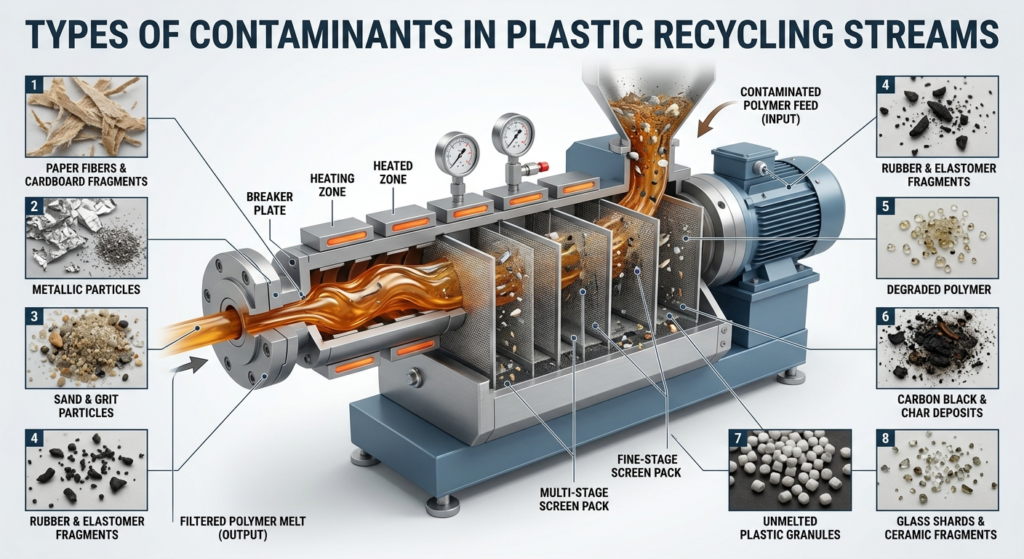
Types of Contaminants
Understanding what a extruder screen must handle is the first step in specifying the right one. Recycled plastic streams typically contain:
- Paper fibres and cardboard residue from labels or packaging
- Metal particles including aluminium foil fragments and fine metal dust
- Sand, grit and mineral contamination from outdoor storage or agricultural films
- Rubber and elastomer fragments from mixed waste streams
- Degraded polymer gel particles from previous processing cycles
- Carbon black deposits and char from overheating during reprocessing
- Unmelted granules or pellets that have not fully plasticised in the barrel
Each type of contaminants requires different types of woven mesh size for plastic recycling. A screen pack handling metal and sand requires different mesh combinations from one managing paper fibres or polymer gels.
Challenges in Recycling
Plastic recycling is one of the most demanding environments any extruder screen supplier must
specify for. Contamination variability is the central challenge; recycled feedstock varies batch to
batch and screens must be robust enough to handle these swings without rupturing or allowing
bypass. Lines equipped with a plastic extruder screen changer can minimise interruption, but
the cost of frequent changeovers remains significant. Extrusion clogging solutions that extend screen life have a direct impact on profitability. Mixed polymer streams add further complications, as multiple resin types with different melting points can arrive at the screen only partially melted accelerating clogging.
How High-Quality Extruder Screens Solve These Problems?
The answer is investing in high-performance extruder screens designed specifically for
recycling. Multi-layer mesh packs combine structural strength with high filtration capacity.
Outer coarse layers at 20 or 40 mesh absorb bulk contamination, while inner layers at 100 or
150 mesh perform precision filtration before the melt reaches the die.
Spot welded extruder screens are the correct choice for recycling lines. Spot welding bonds all the layers into a single rigid unit, preventing layer separation under elevated back pressures.
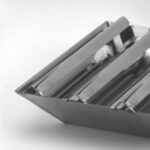
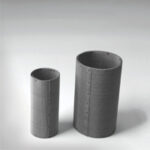
Welded wire mesh screens maintain their geometry even when pressure builds rapidly. SS 304L extruder screens provide corrosion resistance, temperature stability up to 870 degrees Celsius, and the tensile strength that recycling demands. When handling heavily contaminated materials, polymer candle filters also known as Multi-Layer Cylindrical Screen Packs, represent the preferred choice for achieving consistent filtration quality and process stability. Engineered for continuous automated hydraulic extrusion filtration, German melt filters help streamline production by reducing changeover
Recommended Extruder Screen Types for Recycling
Selecting the right extruder screen pack for recycling industry lines requires matching the configuration to the contamination profile of the input material:
- Single layer extruder screens at 40 to 60 mesh: For less contaminated industrial scrap where single-use economics favour simpler configurations.
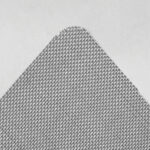
- Spot welded pack: Ideal for demanding recycling applications involving heavily contaminated raw material, with a fine filtration mesh supported by robust coarse mesh layers for enhanced contaminant retention and structural integrity. Example:- 20+60+120+60+20 extruder screen pack for general post-consumer plastic recycling handling PE, PP and mixed film waste.
Working with an experienced industrial extruder screen supplier that provides customized filtration solutions is essential, as mesh size and screen combinations may vary based on extrusion equipment design, raw material type, operating temperature and contamination levels.
Extruder Screen Impact on Machine Efficiency & Output Quality
High Performance Extruder Screens maintain consistent back pressure, translating to uniform melt flow and consistent pellet dimensions. Every contaminant particle captured by an extruder filter screen is one that does not reach the die lip, extending die service life substantially. The role of extruder screens in extrusion process is most critical and indispensable.
Extruder screen changers facilitate rapid screen replacement with minimal disruption to production, ensuring continuous and efficient operations. When paired with high quality filtration screens, they help reduce scrap and rejection rates while improving the quality of recycled output, enabling manufacturers to achieve higher value and stronger returns in the secondary materials market.
 Email Us Today!
Extruder Screen Sustainability Benefits
High-quality filtration using properly specified extruder screens produces recycled material capable of use in packaging, textiles, and automotive components, reducing use of virgin polymer per tonne. Clogged plastic extrusion screens increase back pressure, raising energy consumption. Custom filtration solutions reduce this energy waste systematically. Extending machine life through better filtration also reduces the embodied carbon of manufacturing replacement extruder components, a sustainability gain that rarely appears in conventional accounting but is very real.
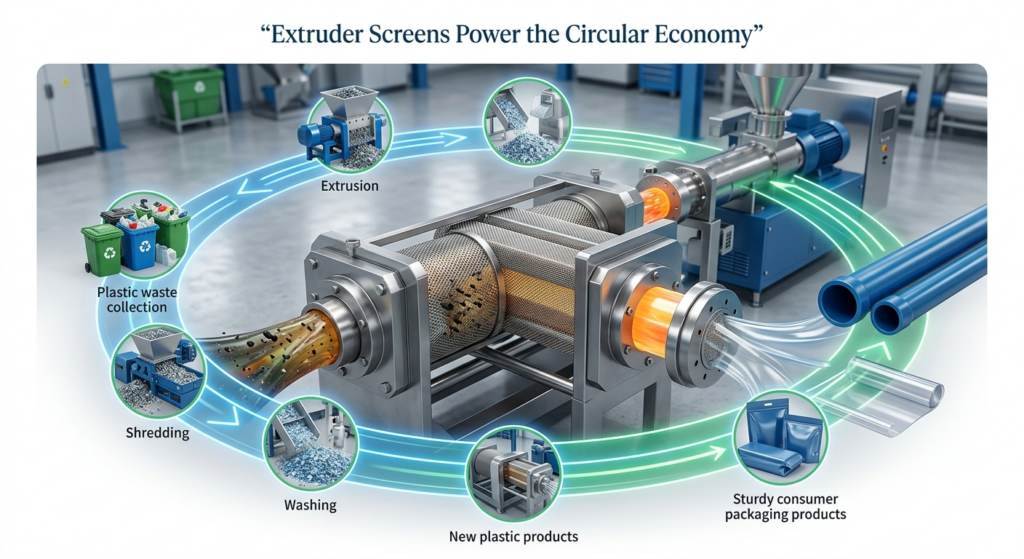
Role of Extruder Screens in Circular Economy in Plastic Industry
The circular economy for plastics depends on a chain of steps that transform waste back into usable material. The extruder screen pack for plastic extrusion determines the quality of that transformation. Without effective melt filtration screens, recycled plastic cannot meet the quality standards required for demanding applications and rejected material ends up in landfill, negating the entire recycling effort.
Sourcing from a reliable global extruder screens supplier is not just a procurement decision. It is a decision about whether the circular economy works in practice, not just in theory. Extrusion technology continues to advance with higher-capacity extruder screen packs and improved screen changers for extruder machines, all supporting the growing volume and diversity of plastic waste entering the recycling system.
Extruder Screen Case Study
A recycling operator in the flexible packaging sector was running a post-consumer LDPE film recycling line producing pellets for agricultural film applications. The line was experiencing two to three screen changes per shift, elevated pellet rejection rates, and premature die wear requiring replacement every eight to ten weeks.
After reviewing the contamination profile, the operator moved from single layer extruder screens to a 20/40/80/40/20 multi-layer mesh pack of spot welded extruder screens, sourcing from an experienced extruder screen manufacturer India. Screen change frequency dropped to one change per shift, cutting consumption and labour by over 50 percent. Die service intervals extended from eight weeks to over five months. The extruder screen replacement cost per tonne of output fell substantially, proving that better extruder screen packs cost more per unit but significantly less per tonne of quality output.
Our Other Product
Stainless Steel Wire Mesh / SS Woven Wire ClothHigh Quality Extruder Screen Manufacturer & Supplier
Founded in 1972 and headquartered in Ahmedabad, Gujarat, Ambica Group is India’s trusted extruder screen manufacturer and wire mesh supplier with over five decades of expertise in manufacturing precision stainless steel wire mesh and extruder screen packs for the plastic recycling, film, pipe, masterbatch, and compounding industries. Serving 6,000+ clients across 65+ countries, Ambica offers SS 304L extruder screens, spot welded multi-layer screen packs, polymer candle filters, hopper magnets and custom filtration solutions in any size or mesh combination, backed by certified mesh quality data and free samples before bulk ordering. Contact Ambica Group to find the right extruder screen for recycling industry requirements.
Extruder Screens for Plastic Recycling: Frequently Asked Questions
Extruder screens for plastic recycling are precision-woven wire mesh discs or multi-layer mesh packs installed inside a recycling extruder machine at the breaker plate. They filter out contaminants like metal particles, paper fibres, sand, and degraded polymer from the molten plastic before it reaches the die. Without extruder screens contamination passes directly into the recycled output, degrading product quality and damaging expensive tooling.
The best extruder screen pack for recycling industry lines is a spot welded extruder screen in a multi-layer configuration such as 20/60/120/60/20 mesh. This provides structural support through coarse outer layers and precision filtration through fine inner layers. SS 304L extruder screens made from stainless steel are the industry standard material due to their corrosion resistance and high-temperature stability.
Screen clogging causes back pressure to rise, which reduces output rate, increases melt temperature, and can cause product defects such as gel streaks and black specks. Frequent screen changes increase downtime and operating cost. Extrusion clogging solutions such as correctly specified high-performance extruder screens can significantly extend run intervals and reduce changeover.
Ambica Group, based in Ahmedabad, Gujarat, is a trusted extruder screens manufacturer in India with over 50 years of manufacturing experience. As a leading extruder screens supplier and wire mesh supplier, Ambica Group exports SS 304L extruder screens to over 65 countries across Asia, Middle East, Europe and Africa. Free samples are available before bulk ordering.
For recycling applications, a multi-layer mesh pack of 5 to 7 layers is recommended. Extruder screen replacement cost in India depends on the diameter, mesh count, and number of layers. Single layer extruder screens are more affordable per unit, while spot welded extruder screens cost more upfront but significantly less per tonne of quality output due to their longer service life.
Ambica Group is recognised as a leading extruder screen manufacturer and extruder screen exporter in India, specialising in wire mesh extruder screens, extruder screen packs, and candle filters for recycling, film, pipe, and compounding applications. As a global extruder screens supplier trusted by over 6,000 clients, Ambica Group provides certified bulk wire mesh for plastic extrusion with free samples and custom sizes.
High-quality extruder screens produce cleaner recycled pellets that can substitute for virgin material in demanding applications, directly improving the sustainability impact of recycling. Properly specified plastic extrusion screens reduce energy consumption by maintaining optimal back pressure, extend machine life by protecting dies and tooling, and lower scrap rates. Together, these benefits strengthen the extruder screen for plastic extrusion role as a core component in any credible circular economy strategy for the plastics industry.
Latest Post
-
Woven Wire Mesh Guide: Plain Weave vs Dutch Weave vs Twilled Dutch Weave
-
Extruder Screen Mesh Size Explained: Micron Rating & Selection Guide
-
Extruder Screens for Plastic Recycling Industry & Sustainable Solutions
-
How to Choose the Right Extruder Screen for Your Plastic Extrusion Machine?
-
What Are Extruder Screens? A Complete Guide for Plastic Manufacturers
Catalogue